Field Recording in a Dead Shopping Mall
What follows is the part that is normally cut out of these write-ups: the setups that did not work, the compromises that made the schedule, and the two decisions that ended up carrying the whole piece.
Gallery 12 photos · 1 MB
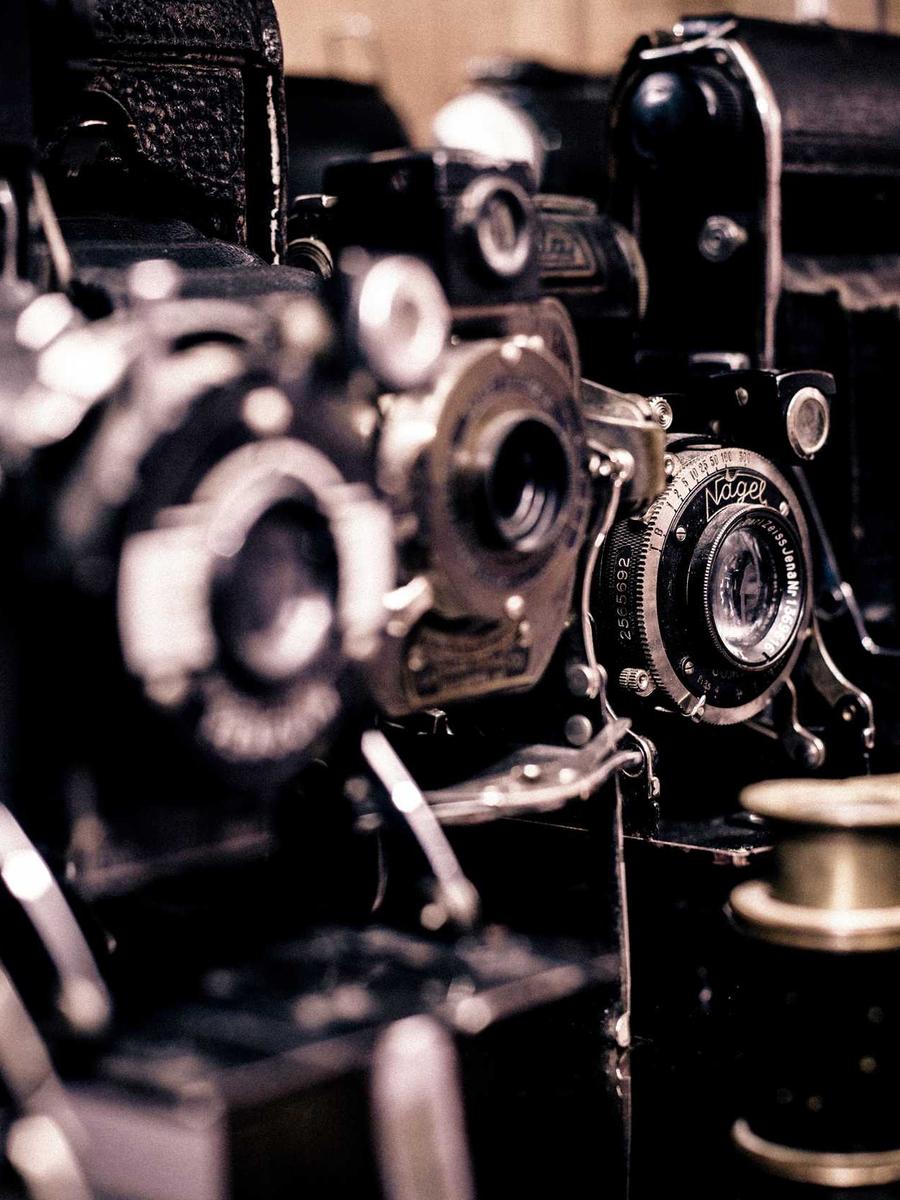
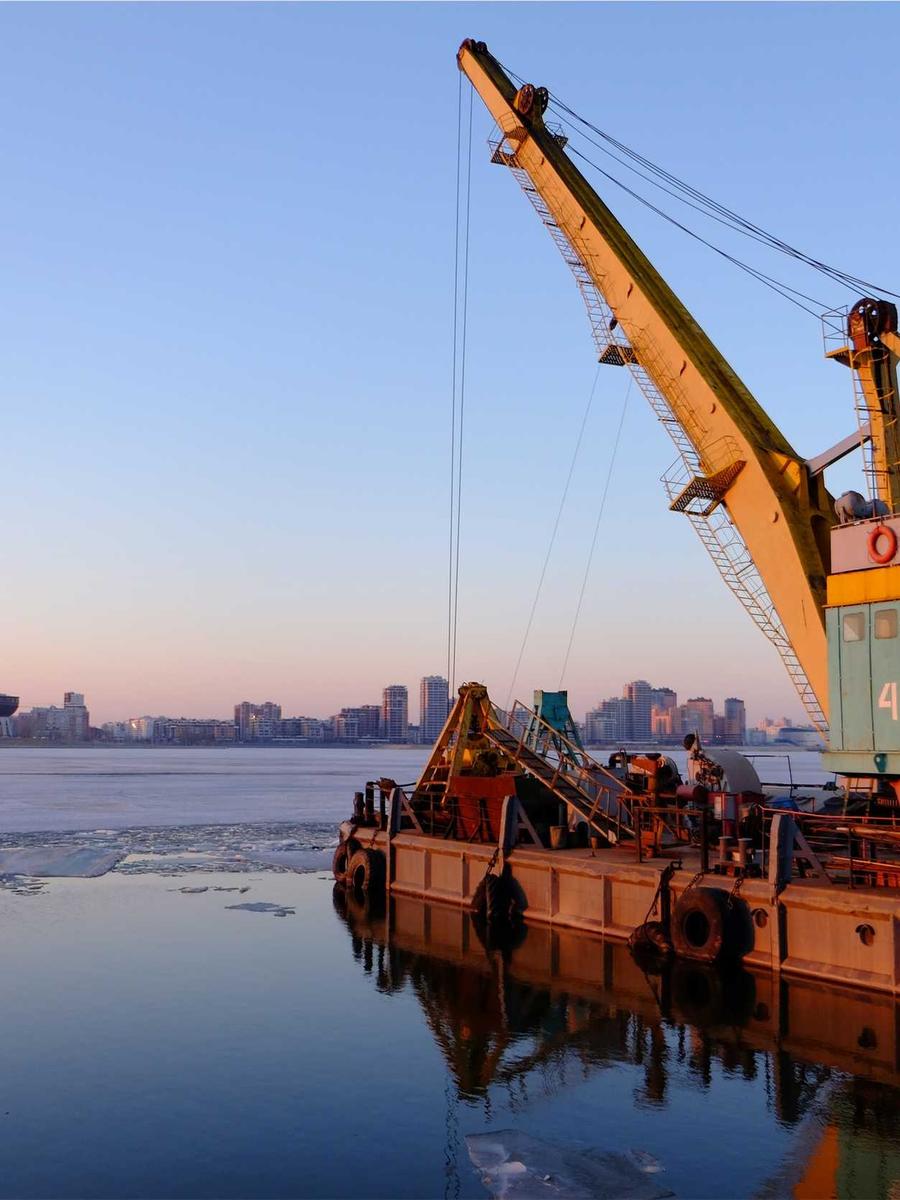
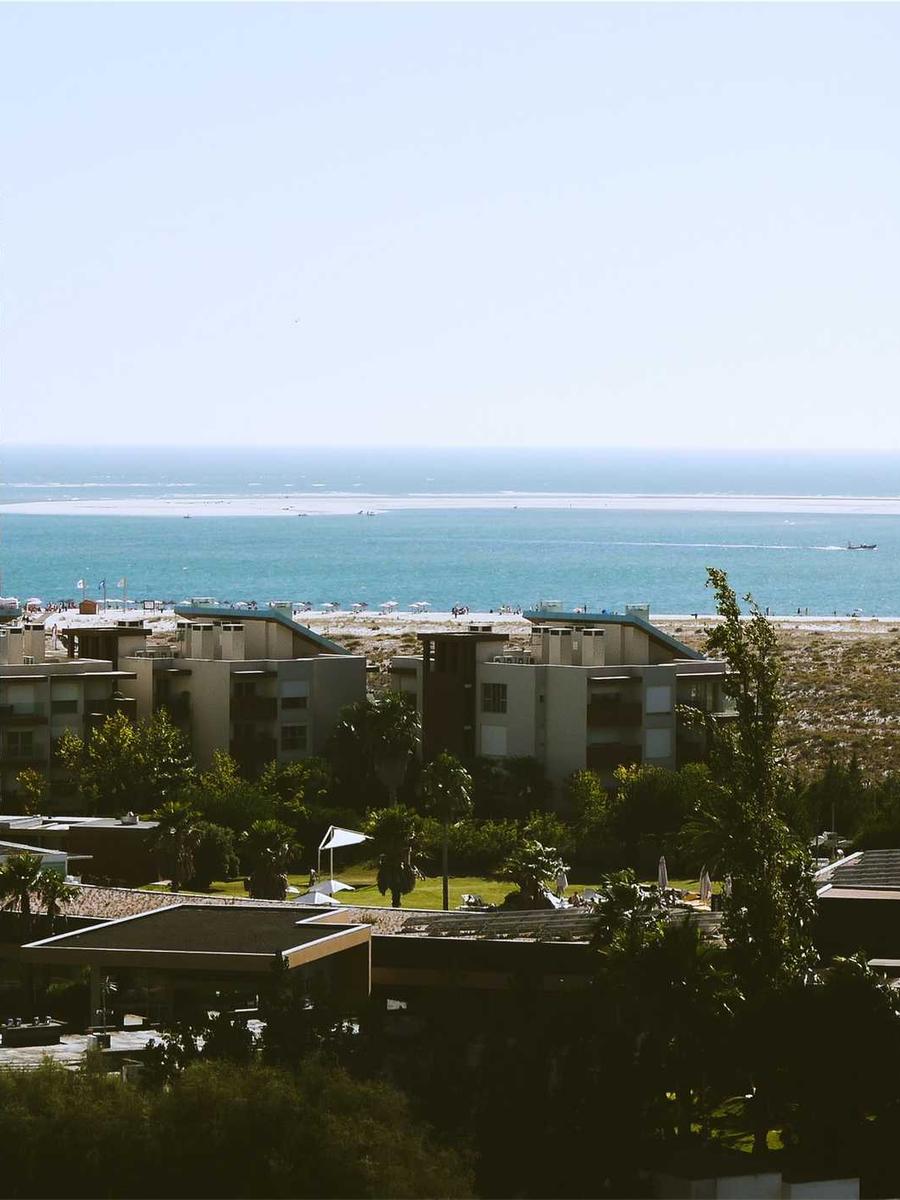
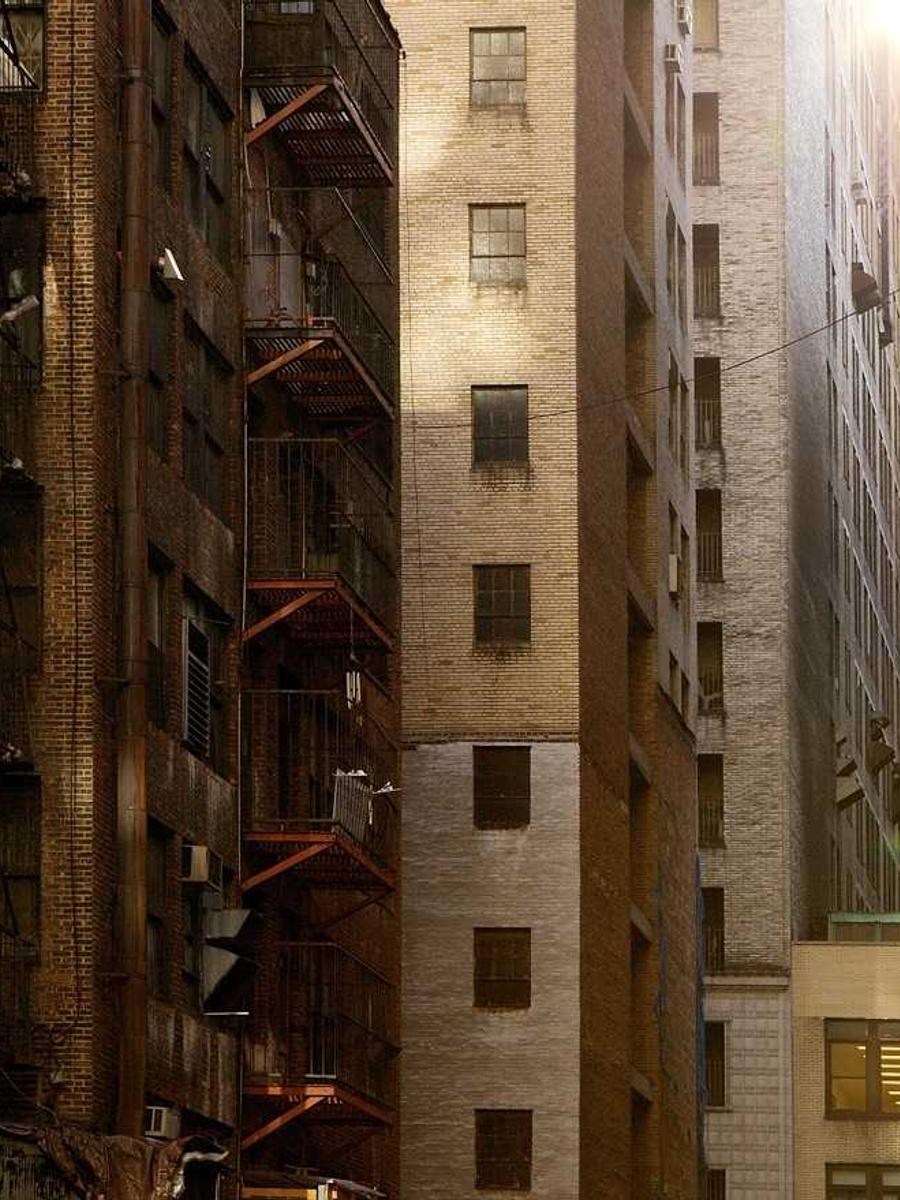
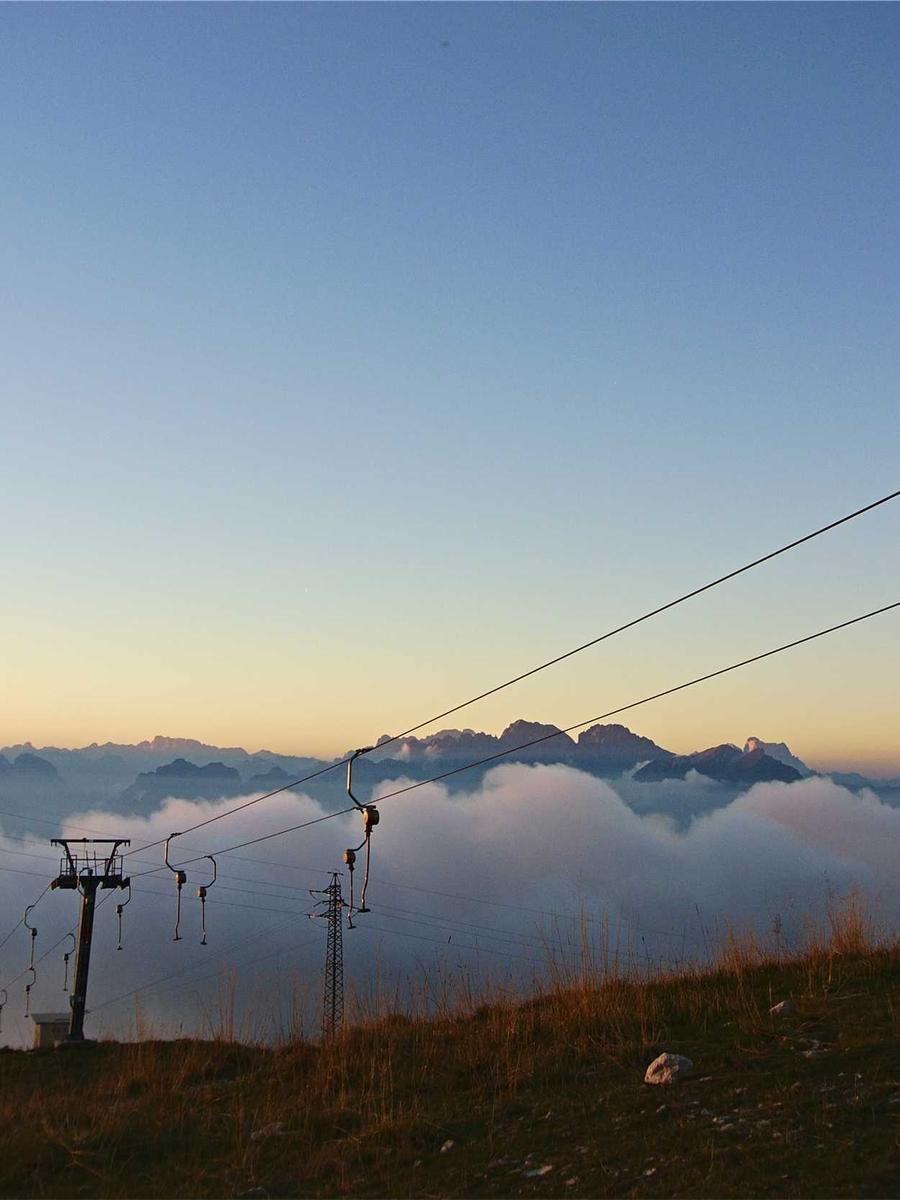
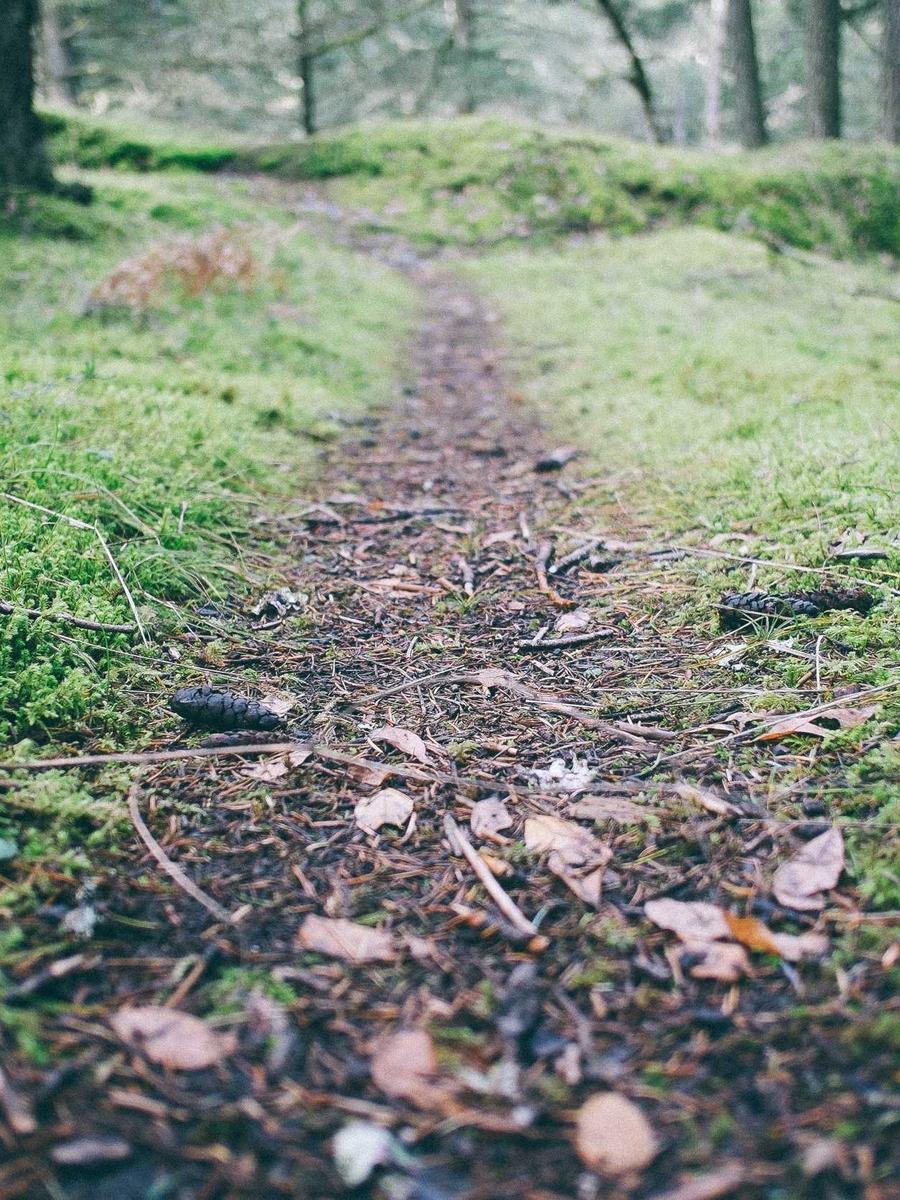
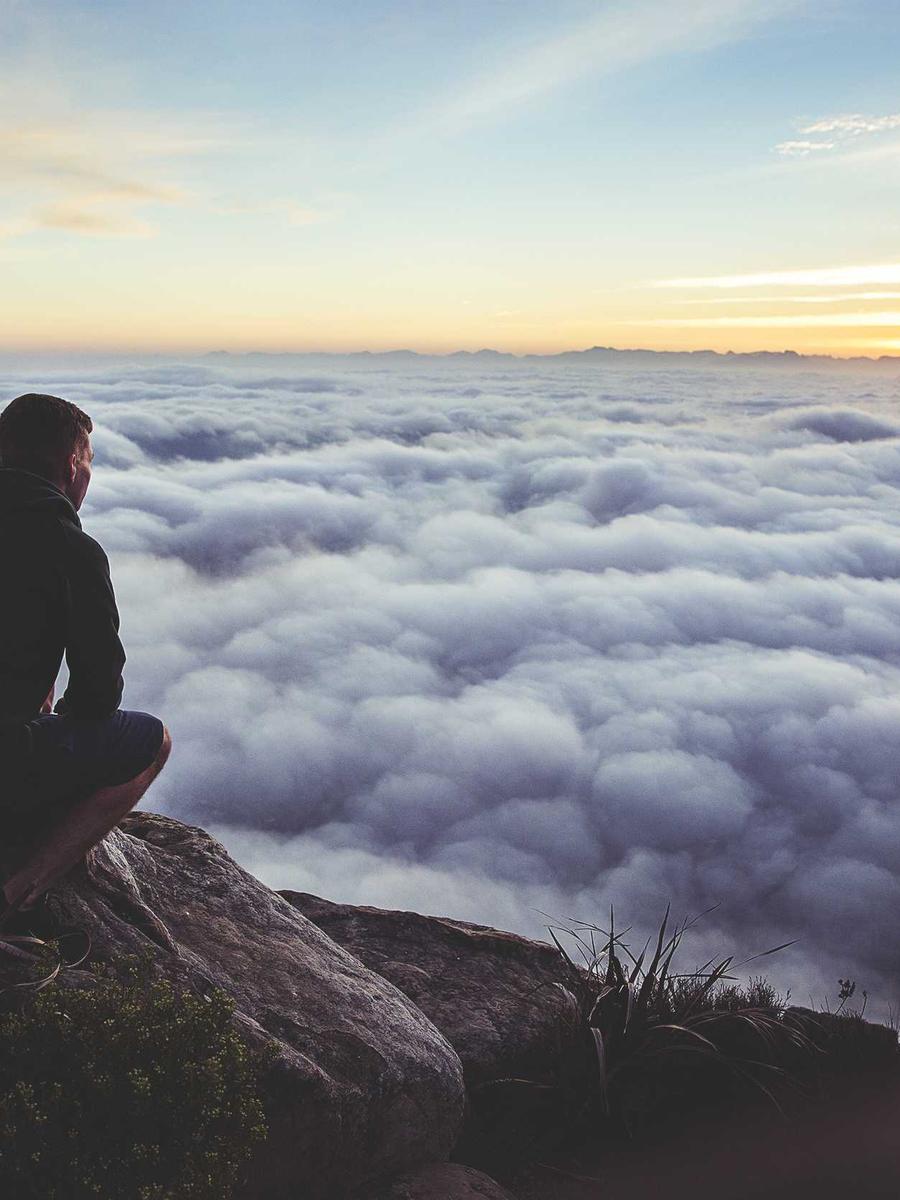
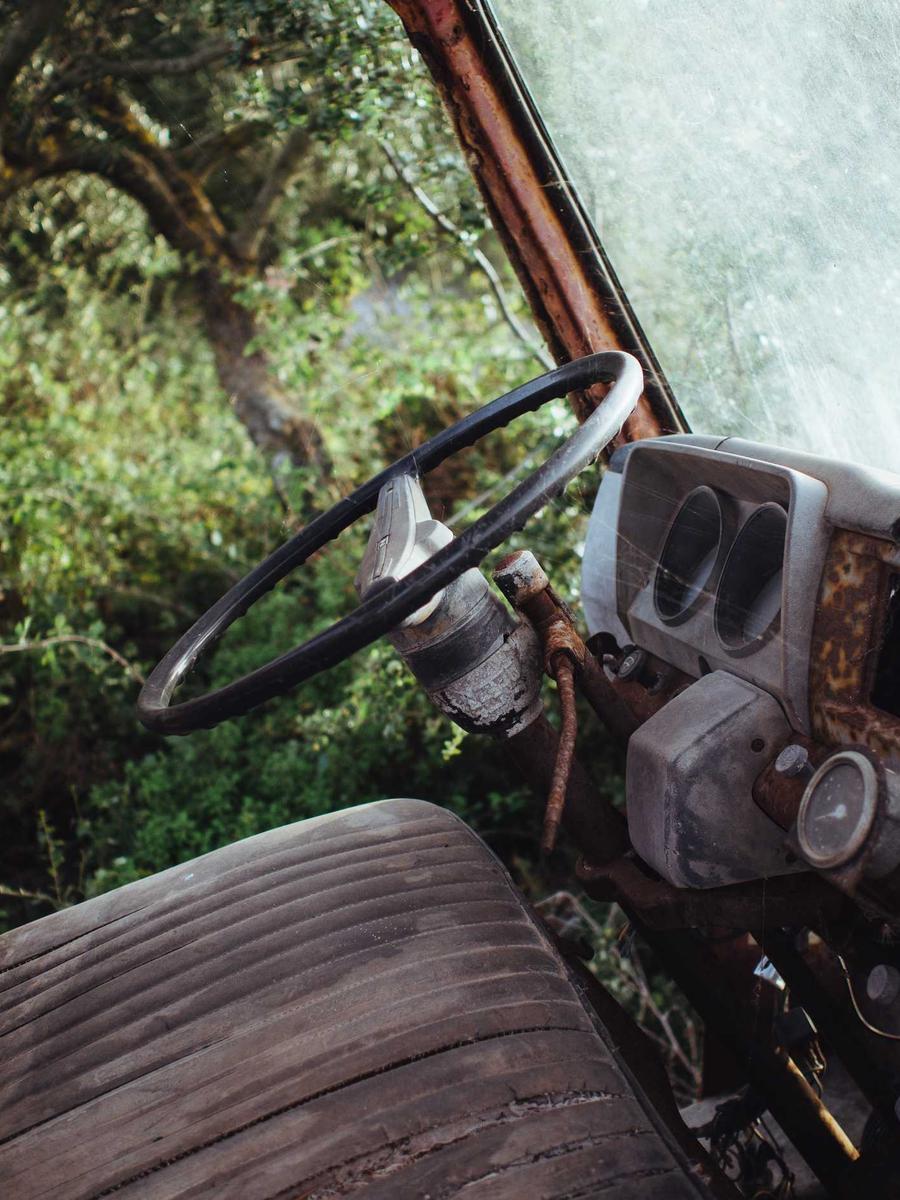
Every frame here was captured with equipment that would fit in the back of an estate car. That is not a boast about resourcefulness, it is a constraint that shaped the coverage from the first day onward.
What we would change
There is a version of this where we hired a bigger crew and solved most of these problems with money. It would have been faster. It is not obvious that it would have been better, and it certainly would not have been finishable.
- Scout in the same light you intend to shoot in, not at whatever hour you happen to be free.
- Build the shot list around one lens, then add the second only where the first genuinely cannot reach.
- Record thirty seconds of room tone before anyone touches a case.
- Back up before wrap, not on the drive home.
Every constraint on this production turned into a decision, and every decision turned into something the film needed.
What the gear actually did
The edit ran long, as edits do. The first assembly came in at nearly double the final length and included an entire sequence that we still think is good and still had to remove. The full rundown lives on the about page, including the gear we no longer recommend.
- Ingest to the working volume and verify the checksum.
- Generate proxies at a quarter resolution in a codec the machine decodes in hardware.
- Sync audio against the mixer feed rather than the camera scratch track.
- Lock the assembly before anybody opens the colour page.
| Setup | Lens | Stop | Notes |
|---|---|---|---|
| Interior wide | 35mm | T2.8 | Practicals dimmed to 40 per cent |
| Two shot | 50mm | T2.0 | Bounce off the far wall only |
| Insert | 85mm | T1.8 | Handheld, braced on the table edge |
| Exterior | 35mm | T4.0 | Neutral density, no diffusion |
One last thing. Sound was the part we underestimated. It always is. The camera work forgives a great deal more than the mix does, and audiences notice the difference long before they can name it.
The plan was simple enough on paper, which is usually the first sign that the day will not go the way anyone drew it. We arrived with a shot list, three cases of gear and a rough idea of how long the light would hold.
Curious whether you would still make the same lens choice on a longer schedule, or whether that was purely a constraint of the days you had.